A Personal Introduction
Hello again and apologies for missing my slot last week, it was one of those weeks where life got in the way.
Last week, we unpacked some of the key terms that often make AI feel more complicated than it really is - things like neural networks, supervised learning, and generative AI. The goal was simple: to give business leaders a clearer, more confident grasp of the language so they can ask better questions and spot opportunities in their own organisations.
This week, we’re moving from understanding to application. Now that the jargon is out of the way, it’s time to look at what’s actually happening in the real world - the trends, technologies, and success stories that are shaping how businesses use data in 2025.
From predictive analytics and AI-driven automation to the growing focus on responsible AI, I’ll be sharing some of the most exciting (and practical) developments we’re seeing - along with a few real examples of how companies are already turning buzzwords into tangible results.
Let’s dive in!
From Reporting to Anticipation
Predictive AI: From Reporting to Anticipation
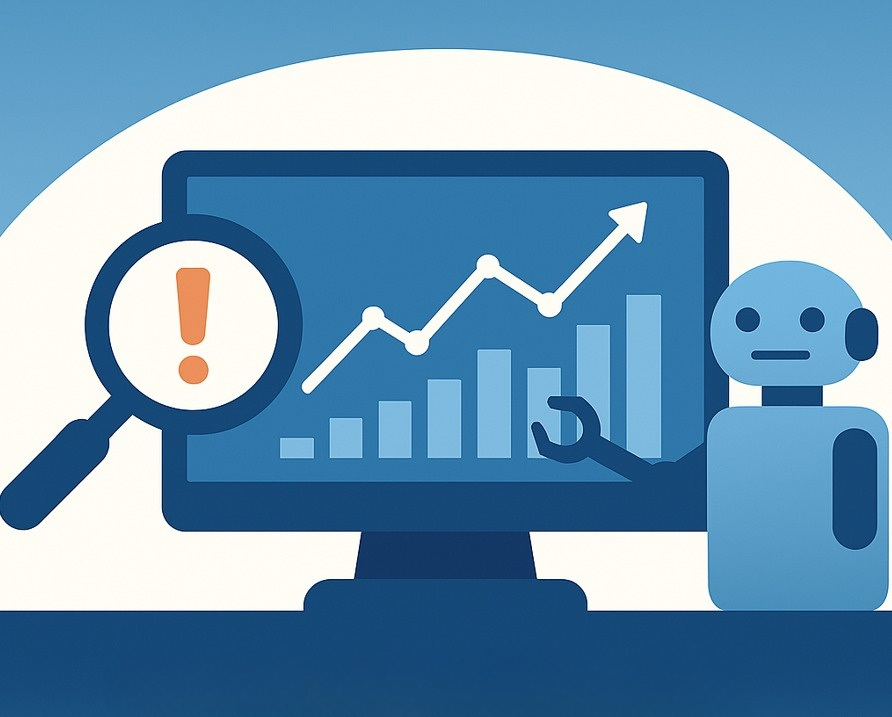
The biggest transformation happening right now appears to be the shift from reactive dashboards to predictive insights.
For years, data analytics has been about reporting what already happened - sales last month, downtime last week, spend last quarter. Predictive AI changes that completely. It uses past data to forecast what’s likely to happen next.
A great example of this comes from the world of Facilities Management. Cutting Edge FM businesses are now using AI models, equipped with access to years of CAFM data, work orders, maintenance logs, asset age, fault history, response times and lifecycle replacement costs. Armed with this data, the AI tools are able to provide the team with a range of probable failure scenarios and lifecycle replacement suggestions. Imagine knowing with a high degree of confidence which assets are most likely to fail next. Instead of reacting to breakdowns, the system spots early warning patterns in the data that point to upcoming failures and highlights where proactive maintenance or even replacement will have the biggest return on investment. This is the kind of insight that makes a real difference to the bottom line and gives the provider a competitive advantage.
In finance, predictive analytics is equally transformative. AI can now analyse payment histories, communication tone, and even external data (like industry trends) to predict which customers are most likely to delay payments. For AR teams, that’s game-changing - they can focus their efforts where the risk is highest, improving cash flow without increasing headcount.
Why it matters: Predictive AI shifts decision-making from firefighting to foresight. It empowers teams to act before problems hit the balance sheet.
AI-Driven Automation: Smarter, Not Just Faster
We’ve all seen automation before - simple rules like “if invoice received, then send to finance.”
But AI-driven automation learns and adapts. It spots patterns, exceptions, and inefficiencies that humans often overlook.
Take invoice processing again. Traditional RPA (robotic process automation) can read and route invoices. But AI can go further: it can recognise when an invoice looks “off” - maybe the VAT is inconsistent with previous bills, or the supplier’s banking details have changed unexpectedly. The system learns from every approval and correction, becoming more accurate over time.
The same principle applies in manufacturing. One automotive supplier recently used AI to automate their quality control. Instead of manual inspection, cameras feed images into a neural network trained to detect microscopic defects that humans can’t see at production speed. The result? Higher output, lower waste, and happier clients.
Why it matters: Automation that learns doesn’t just make processes faster - it makes them better. It’s the difference between replacing tasks and reinventing workflows.
Responsible AI
Responsible AI: The Silent Differentiator
AI adoption is accelerating, but so is the scrutiny. As algorithms begin influencing hiring, lending, and operational decisions, trust is becoming a differentiator.
There are examples of where businesses have learned this the hard way: One example that comes to mind is where an AI model used to prioritise maintenance requests, started unintentionally deprioritising older buildings because the historical data was incomplete. Everyone knew that the data was incomplete, but the model was left to it's own devices to make the decisions. Once discovered, the company retrained the model with more representative data - but the lesson stuck.
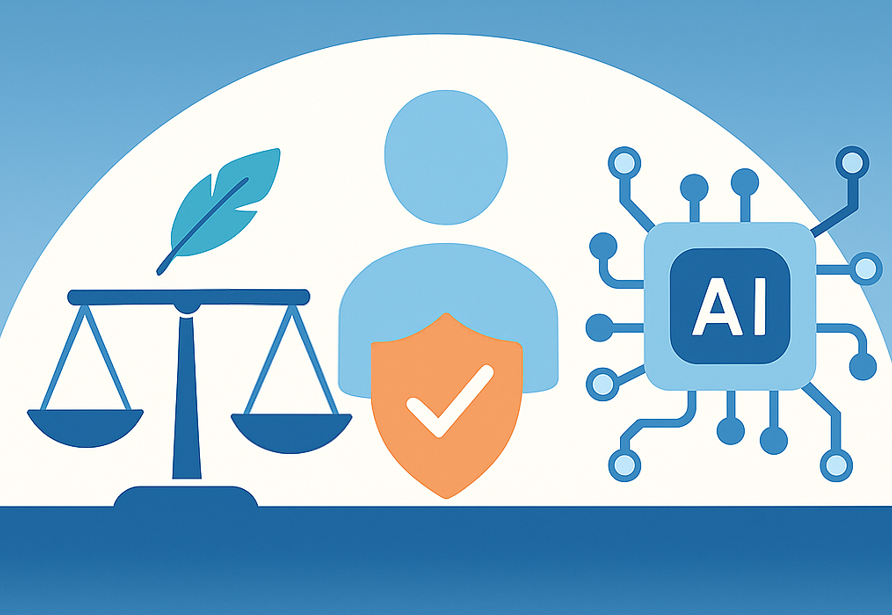
Responsible AI isn’t about slowing innovation down; it’s about applying transparency, fairness, and accountability so your AI decisions stand up to real-world scrutiny.
But there’s another piece to this puzzle - the people overseeing the tools. Even the most advanced AI systems still rely on human judgement to interpret outputs, challenge assumptions, and make final decisions. And in many organisations, those responsible for this oversight aren’t yet equipped with the right training or confidence to question what the AI is telling them.
Without that human layer, businesses risk automating poor decisions at scale. Responsible AI isn’t just about writing good code - it’s about building capable teams who can understand, validate, and intervene when needed.
For clients and regulators alike, that blend of technology and human competence is quickly becoming non-negotiable. Perhaps this will change in time, but for now, it remains essential.
Why it matters: Responsible AI is about more than just writing good code; it’s about building teams that can understand, validate, and intervene when needed. In the years ahead, ethical AI will be the foundation of trust - and trust is the new competitive advantage.
Generative AI: From Novelty to Utility
Generative AI isn’t just producing content or artwork - it’s now finding a serious place in data analytics, helping teams interpret, summarise, and communicate insights faster than ever before.
Forward-thinking businesses are now using GenAI tools to:
- Automatically summarise daily performance reports for senior leaders
- Generate explanations for data anomalies (“Why did energy use spike yesterday?”)
- Draft board summaries using the latest KPIs in your organisation’s tone of voice
A contact of mine was recently telling me how a retail client of his, now uses a generative model to write first drafts of their weekly store performance reports. What once took three analysts half a day now takes 10 minutes - and the analysts spend their time validating insights instead of copying and pasting numbers.
Why it matters: The biggest returns come not from flashy content creation, but from reducing cognitive load - freeing teams to think, not just type.
“AI-Ready” Organisation
The Rise of the “AI-Ready” Organisation
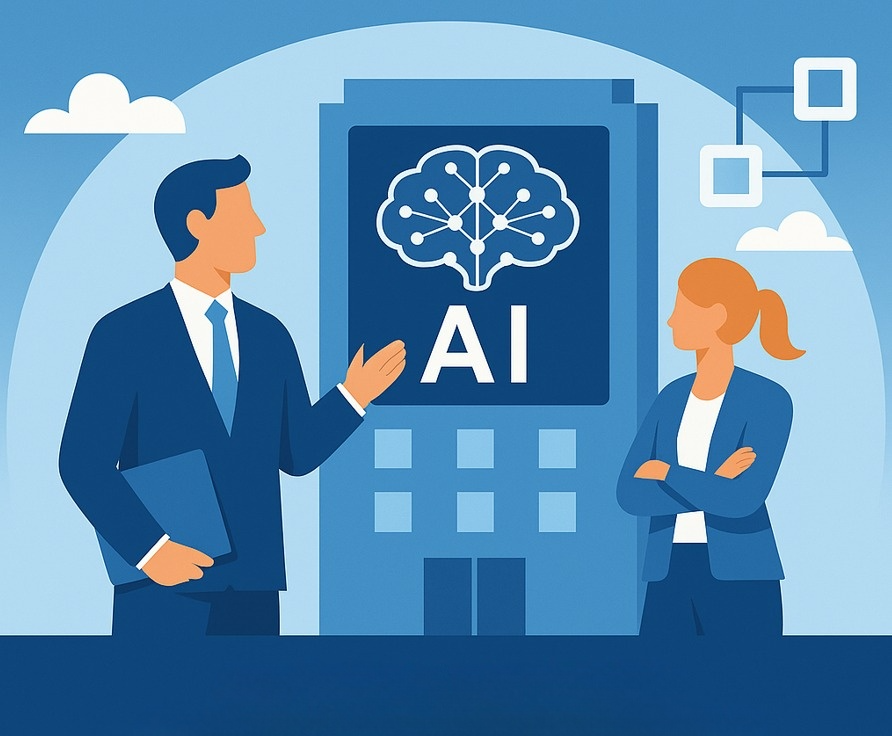
This final trend isn’t about technology - it’s about mindset.
The most successful businesses I’ve seen don’t start with a massive AI budget or a team of data scientists. They start with curiosity. They ask:
- "Where are our biggest bottlenecks?”
- “What could we predict or automate if we had the right data?”
- “Where are we flying blind?”
That’s how real transformation begins - with questions, not code.
For example, a mid-sized manufacturer in the Midlands started small: they asked whether they could use historical order data to forecast demand. Within six months, that pilot evolved into a predictive scheduling model that now optimises their production lines daily.
They didn’t buy AI - they built a habit of curiosity.
Why it matters: Being “AI-ready” isn’t about software - it’s about culture. Teams that ask good questions and understand their data will always outpace those who chase shiny tools.
Wrapping Up: The Signal in the Noise
AI trends come and go, but the core lesson remains: data, curiosity, and trust will define the winners.
The companies seeing real impact aren’t following hype cycles; they’re asking smarter questions, managing cleaner data, and applying AI where it solves real problems.
Next week, we’ll zoom back in and look at how Machine Learning can supercharge your data insights - and I’ll share some simple, real-world ways you can start turning everyday data into forward-looking intelligence.
Until then, stay curious. AI isn’t the future - it’s the now.
Grant 🫡